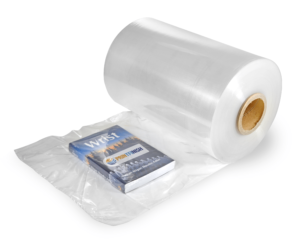
Shrink packaging is a widely used method in the packaging industry, offering a secure and visually appealing way to wrap products. Among the various materials available, PET shrink film stands out as a versatile option. In this comprehensive guide, we will delve into the intricacies of PET shrink film and compare it with other common shrink materials, providing a deeper understanding of their characteristics, applications, and advantages.
The Rise of PET Shrink Film
Polyethylene terephthalate, or PET, has gained prominence as a packaging material due to its exceptional clarity, strength, and versatility. PET shrink film, a specialized form of PET, is widely employed for its unique shrink properties. Unlike traditional shrink materials like PVC and POF (Polyolefin), PET shrink film offers superior clarity and gloss, making it an ideal choice for products where visual appeal is crucial.
Unwrapping the Advantages of PET Shrink Film
One of the key advantages of PET shrink film lies in its transparency. The film allows for high visibility, enabling consumers to see the packaged product clearly. This attribute is particularly advantageous for retail packaging, where the visual presentation of the product plays a vital role in attracting customers.
Additionally, PET shrink film boasts excellent tensile strength and tear resistance, ensuring that products remain securely packaged during transportation and handling. Its durability makes it suitable for a wide range of applications, from food and beverage packaging to consumer goods.
Comparing PET Shrink Film with PVC
Polyvinyl chloride, or PVC, has been a traditional choice for shrink packaging. However, PET shrink film offers several advantages over PVC. One significant difference is the environmental impact – PET is considered more environmentally friendly than PVC, as it is recyclable and has a lower carbon footprint.
Moreover, PET shrink film exhibits better shrinkage properties, providing a tight, conforming fit around irregularly shaped products. This attribute ensures that the packaging not only looks appealing but also provides a protective barrier against external elements.
PET vs. POF – Breaking Down the Differences
Polyolefin, commonly referred to as POF, is another popular shrink material. While POF shares some similarities with PET shrink film, there are notable differences between the two. One key distinction is in the clarity and glossiness of the films. PET shrink film offers a higher level of transparency, making it an excellent choice for products where visual aesthetics are paramount.
Furthermore, PET shrink film has a faster shrink rate than POF, resulting in quicker production cycles. This time efficiency can be a critical factor for manufacturers looking to optimize their packaging processes without compromising on quality.
Applications of PET Shrink Film in Various Industries
The versatility of PET shrink film extends its applicability across diverse industries. From the food and beverage sector to pharmaceuticals and cosmetics, PET shrink film finds usage in a broad spectrum of products. Its ability to conform to the shape of the item being packaged makes it an ideal choice for irregularly shaped or stacked items, enhancing the overall packaging efficiency.
Environmental Considerations – PET’s Sustainable Edge
In an era where sustainability is a key concern, the environmental impact of packaging materials is under scrutiny. PET shrink film stands out as a more sustainable option compared to traditional materials like PVC. PET is recyclable, and its production requires less energy compared to other plastics. These eco-friendly characteristic positions PET shrink film as a responsible choice for businesses aiming to reduce their environmental footprint.
Challenges and Innovations in PET Shrink Film
While PET shrink film offers numerous benefits, it is essential to acknowledge the challenges associated with its usage. One common concern is its sensitivity to high temperatures during storage, which can lead to premature shrinkage. Manufacturers are continually addressing such challenges through innovative formulations and technologies, enhancing the stability and performance of PET shrink film.
The Future of Shrink Packaging – Emerging Trends and Technologies
As the packaging industry evolves, so do the materials and technologies associated with shrink packaging. The future promises advancements in PET shrink film formulations, catering to specific industry requirements. Emerging trends such as smart packaging, incorporating technology for tracking and monitoring, are likely to influence the landscape of shrink packaging in the coming years.
Conclusion – Navigating the Shrink Film Landscape
In conclusion, understanding the nuances of PET shrink film and its comparison with other common shrink materials is crucial for making informed packaging decisions. From its superior clarity and strength to its eco-friendly profile, PET shrink film offers a compelling choice for businesses seeking efficient and visually appealing packaging solutions. As the packaging industry continues to evolve, staying abreast of emerging trends and technologies will be instrumental in adopting innovative and sustainable shrink-packaging practices.