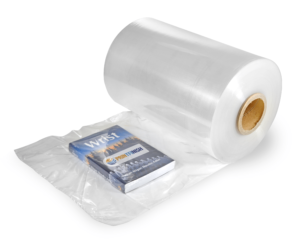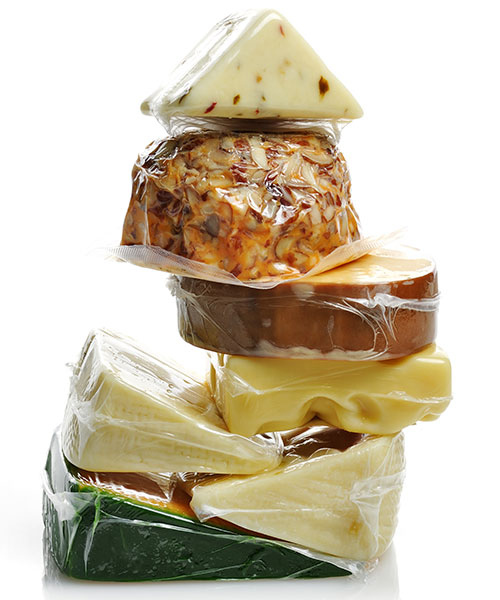
Shrink bags have become an integral part of the food industry, revolutionizing the way we package and preserve food products. These specialized packaging solutions offer numerous advantages in terms of extending shelf life, maintaining product freshness, and enhancing the visual appeal of packaged items. we will dive deeper into the role of shrink bags in preserving and packaging food products, exploring their history, key features, and applications.
History of Shrink Bags in Food Packaging
The concept of shrink bags in food packaging has been around for several decades. It originated as a means to protect and extend the shelf life of meat products. The initial designs were simple and primarily focused on providing a moisture and oxygen barrier.
Over time, the development of shrink bag technology has advanced significantly. With the advent of new materials and manufacturing processes, these bags have evolved to meet the demanding requirements of various food products. Today, they are a staple in the food industry, used for a wide range of applications beyond just meat packaging.
Understanding the Technology Behind Shrink Bags
Shrink bags are not your typical packaging materials; they employ advanced technology to ensure the safety and quality of food products. To comprehend their significance fully, it’s essential to delve into the technology that underpins these remarkable packaging solutions. In this section, we will explore the key components and principles behind shrink bags, including materials, manufacturing processes, and the science of heat shrinking.
Materials Used in Shrink Bags
Shrink bags are typically made from a combination of polymers, often including polyethylene, polypropylene, and other specialized materials. These materials are carefully selected to provide the necessary barrier properties, strength, and heat-shrink capabilities.
The choice of materials is crucial, as it impacts the bag’s ability to protect food from external factors such as moisture and oxygen. Additionally, the material must have the capacity to shrink uniformly and tightly around the product when exposed to heat.
Manufacturing Processes
The manufacturing of shrink bags involves several key processes, including extrusion, printing, and bag making. Extrusion is the initial stage where the chosen polymers are melted and formed into the desired film. This film is then printed with product information, branding, and any required labeling.
In the bag-making process, the printed film is cut and sealed to create individual shrink bags. The bags are typically customized to fit the specific product and its size, ensuring a snug fit after heat shrinking.
Heat Shrinking Mechanism
The primary technology behind shrink bags is the heat shrinking mechanism. Once the product is placed inside the bag, heat is applied using specialized equipment, typically a heat tunnel or heat gun. The heat causes the bag to shrink tightly around the product, conforming to its shape.
The science of heat shrinking is based on the thermal properties of the polymer materials. As they heat up, the polymer chains relax and become more flexible, allowing the bag to contract and fit snugly around the enclosed product. The uniform application of heat is essential to achieve a smooth and tight fit without wrinkles or gaps.
The Benefits of Using Shrink Bags in the Food Industry
The use of shrink bags in the food industry brings a multitude of advantages to both producers and consumers. From preserving product freshness to reducing food waste, these benefits have made shrink bags a popular choice among food manufacturers. In this section, we will delve into the various advantages of using shrink bags, including extended shelf life, tamper-evidence, and enhanced product presentation.
Extended Shelf Life
One of the primary benefits of using shrink bags in the food industry is the extension of shelf life for various products. The oxygen and moisture barrier properties of these bags help prevent spoilage and deterioration. By reducing exposure to air and humidity, shrink bags can significantly prolong the freshness and quality of food items, especially perishable goods like meats and cheeses.
Tamper-Evidence
Food safety is of paramount importance in the food industry. Shrink bags offer tamper-evidence, which means that any attempt to open or tamper with the packaging is readily apparent. This feature enhances consumer confidence and ensures the integrity of the product. It’s particularly important in sectors where food safety is a primary concern.
Enhanced Product Presentation
Shrink bags are transparent, allowing consumers to see the product inside. This transparency enhances the visual appeal of the packaged item, making it more attractive to potential buyers. For products where appearance is a key selling point, such as fresh meats and bakery items, shrink bags play a crucial role in showcasing the quality and freshness of the food.
Reduced Food Waste
Reducing food waste is a growing concern in the food industry. Shrink bags help minimize waste by preserving food for longer periods. By extending the shelf life of products, these bags contribute to reducing the amount of food that goes unsold and ultimately wasted.
Efficient Packaging and Transportation
Shrink bags provide an efficient packaging solution, as they conform tightly to the shape of the product, minimizing excess air. This results in compact and uniform packaging, which is advantageous during storage and transportation. It also maximizes the use of available storage space, reducing the need for additional packaging materials.
Applications of Shrink Bags in Food Packaging
Shrink bags are versatile and find applications in a wide range of food products, from fresh meats to dairy and even baked goods. Understanding the diverse applications of shrink bags can provide valuable insights into how this packaging solution can benefit different segments of the food industry. In this section, we will explore the specific use cases of shrink bags, including their role in meat packaging, cheese preservation, and bakery product presentation.
Meat Packaging
Shrink bags have revolutionized the meat packaging industry. Their ability to tightly conform to the shape of meat cuts, such as steaks and roasts, not only preserves freshness but also enhances the presentation of the product. In addition, shrink bags are airtight, preventing freezer burn and extending the shelf life of meats in both retail and wholesale settings.
Cheese Preservation
Cheese is another food product that greatly benefits from shrink bags. The oxygen barrier properties of these bags protect cheese from oxidation and moisture, ensuring that it remains in optimal condition. Whether it’s hard cheeses, soft cheeses, or even grated cheese, shrink bags help maintain the flavor and texture, allowing consumers to enjoy quality cheese for longer periods.
Bakery Product Presentation
Shrink bags are often used to package bakery products such as bread, pastries, and confectionery items. The transparency of the bags showcases the freshness and visual appeal of these products. The snug fit also prevents air exposure, helping to maintain the texture and taste of bakery items. In addition, shrink bags can be customized with branding and labeling to create an attractive presentation for consumers.
Seafood Packaging
Seafood, particularly delicate items like fish fillets, benefit from shrink bags. The bags’ ability to tightly conform to the shape of the seafood items helps prevent dehydration and maintain their quality. Additionally, the tamper-evident feature is essential in assuring consumers of the freshness and safety of the product.
Fresh Produce
Shrink bags are not limited to animal-based products; they also find applications in fresh produce packaging. Fruits and vegetables can be packaged in these bags to extend their shelf life and maintain their crispness. The transparent packaging allows consumers to see the condition of the produce, further enhancing its marketability.
Sustainability and Future Trends in Shrink Bag Technology
The food industry is increasingly focusing on sustainability and environmentally friendly packaging solutions. As a result, the evolution of shrink bag technology is closely tied to these emerging trends. In this final section, we will discuss the sustainability aspects of shrink bags and look at the future trends in their development, such as biodegradable materials and eco-friendly packaging options.
Sustainability in Shrink Bag Technology
While shrink bags offer numerous advantages, they are not without environmental concerns. The use of traditional polymer materials in shrink bags raises questions about their impact on the environment, including issues related to recycling and waste management.
To address these concerns, some manufacturers are exploring sustainable alternatives, such as recyclable and biodegradable materials. These materials aim to reduce the environmental footprint of shrink bags and make them an eco-friendlier packaging choice.
Biodegradable Shrink Bags
Biodegradable shrink bags are an emerging trend in the industry. These bags are designed to break down naturally over time, reducing the long-term environmental impact. While biodegradable options are gaining traction, there are challenges related to their performance and cost-effectiveness that manufacturers continue to address.
Reducing Packaging Waste
Efforts to minimize packaging waste also play a role in the sustainability of shrink bags. Manufacturers are working on reducing the thickness of shrink bag materials without compromising their protective qualities. This helps reduce the amount of material used in each bag, leading to a reduction in overall packaging waste.
Eco-Friendly Printing and Labeling
In addition to the bag material itself, the inks and adhesives used for printing and labeling are also being scrutinized for their environmental impact. The development of eco-friendly printing and labeling technologies aligns with the industry’s sustainability goals.
The Future of Shrink Bag Technology
The future of shrink bag technology is expected to revolve around enhancing sustainability, optimizing manufacturing processes, and exploring innovative materials. As environmental regulations and consumer preferences continue to evolve, shrink bag manufacturers will strive to stay ahead by offering eco-friendly solutions that maintain the integrity of food products.
In conclusion, shrink bags have established themselves as a vital component of the food packaging industry. Their ability to preserve food freshness, enhance product presentation, and contribute to sustainability makes them a preferred choice for a wide range of food products. With ongoing advancements in materials and technology, shrink bags are poised to play a significant role in shaping the future of food packaging.